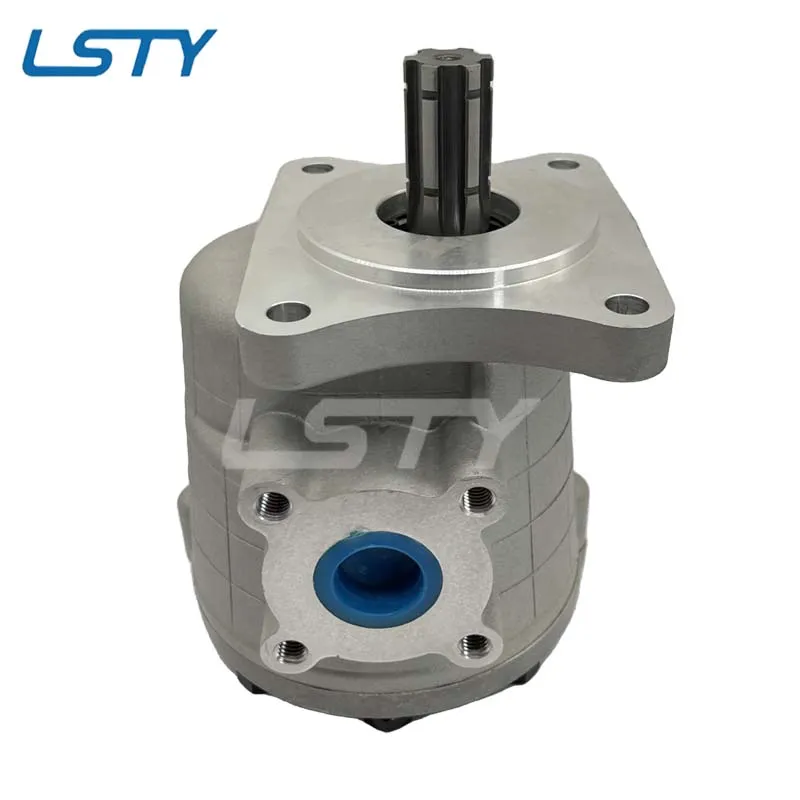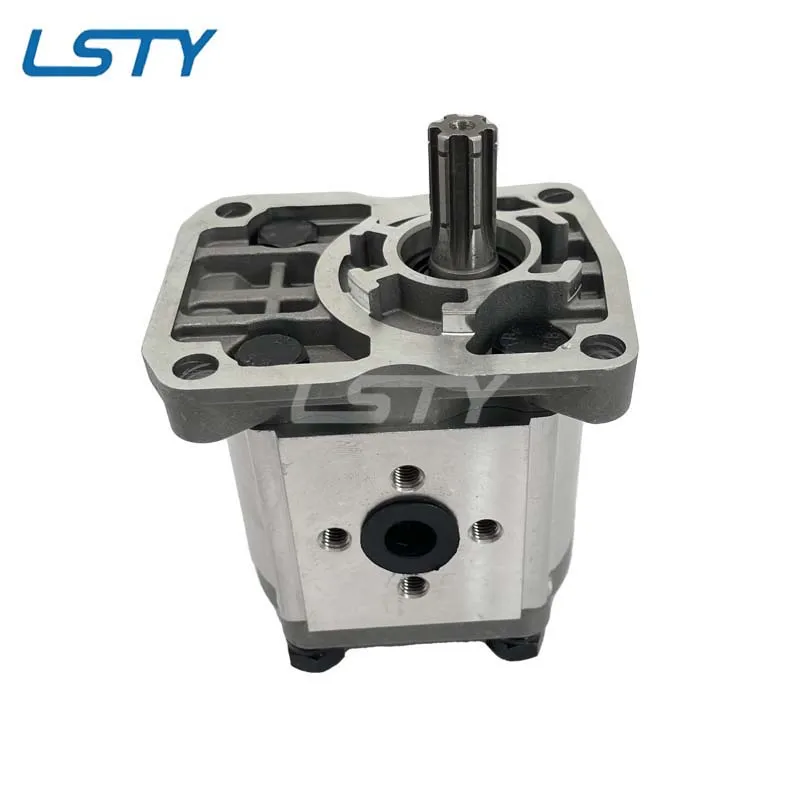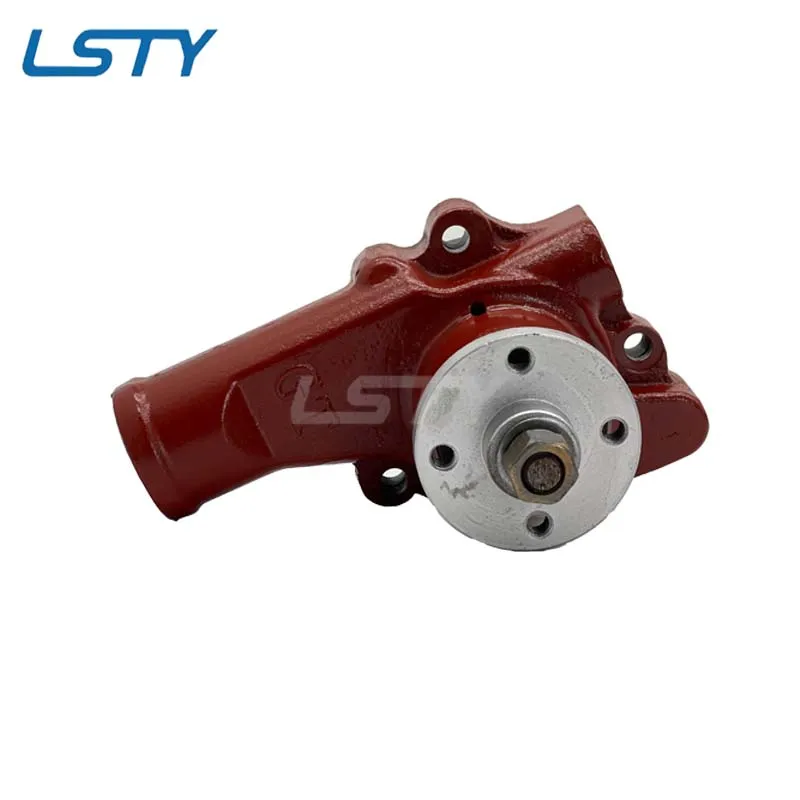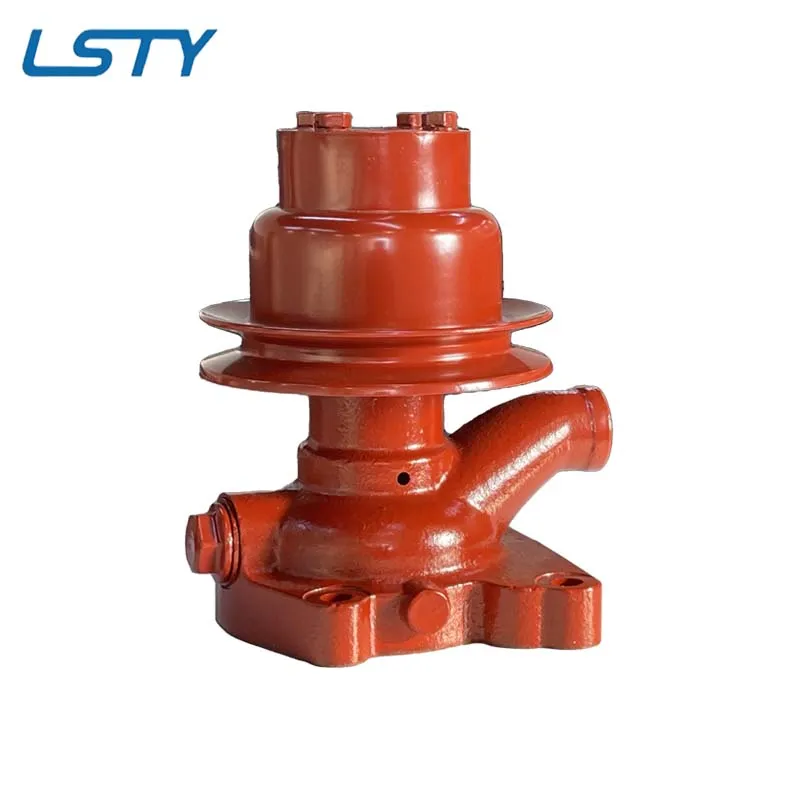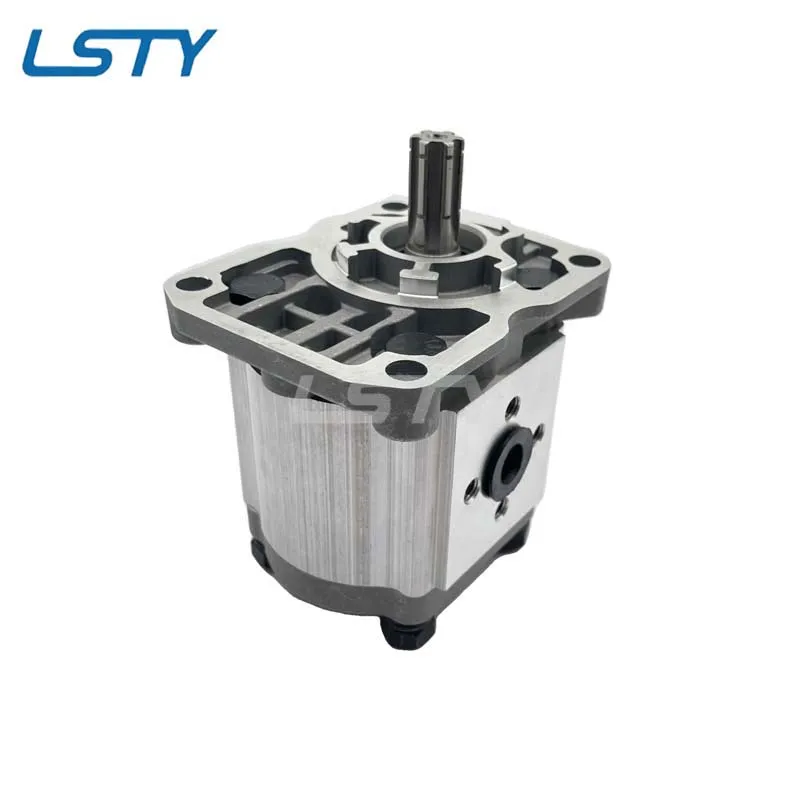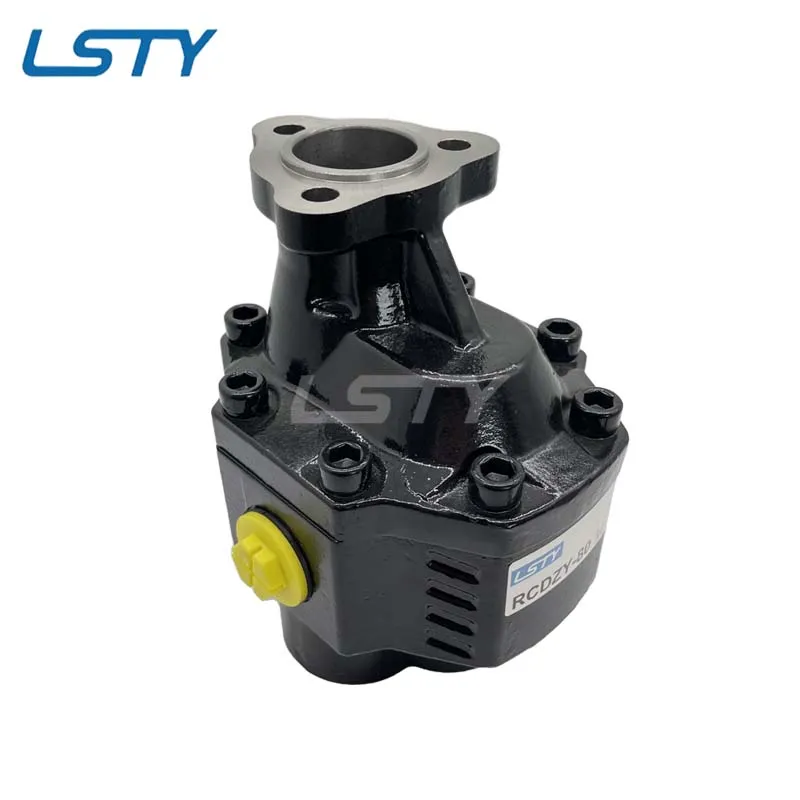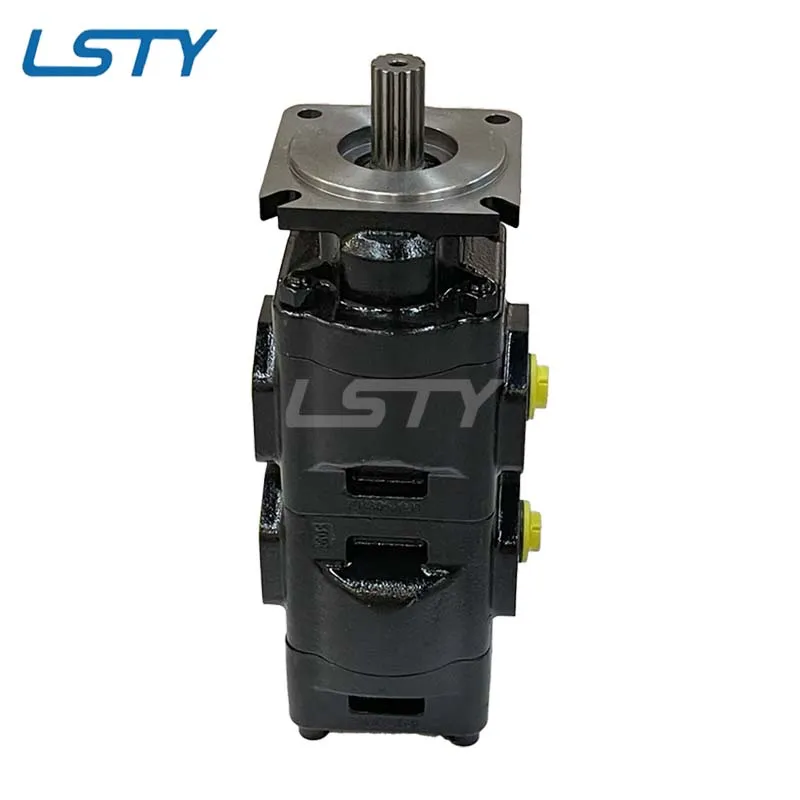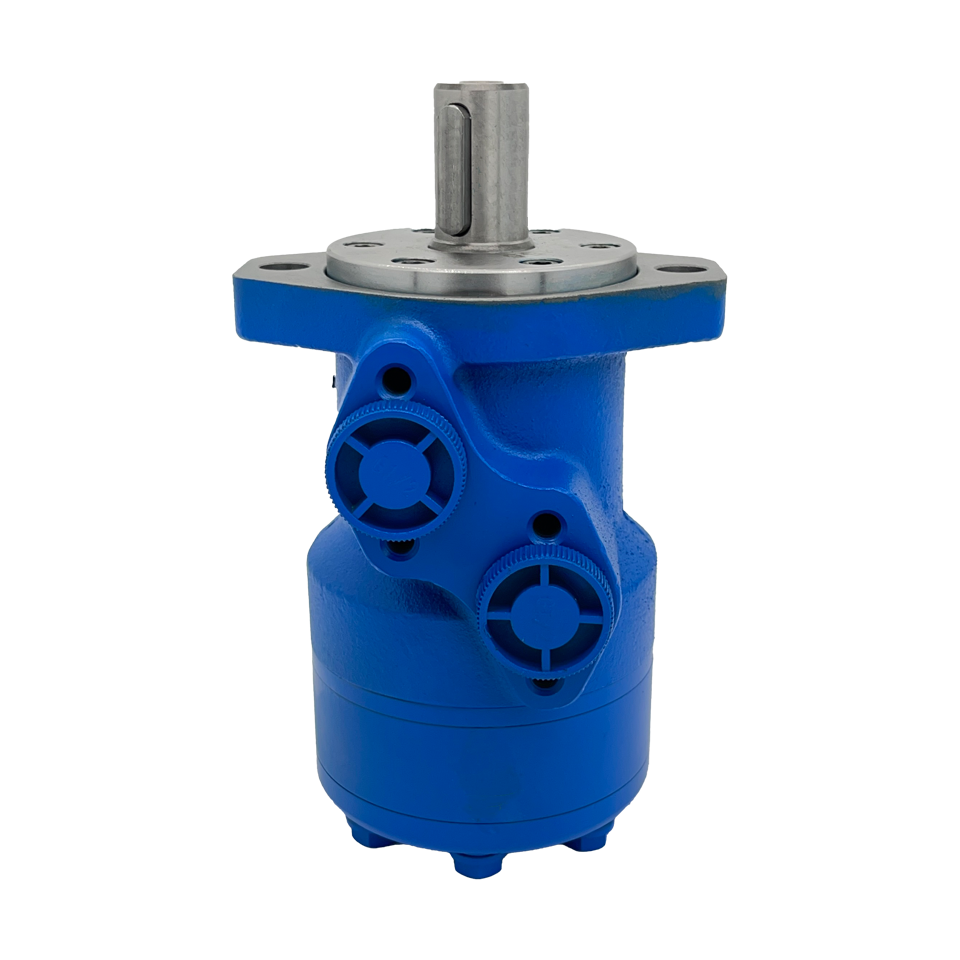





car engine water pump
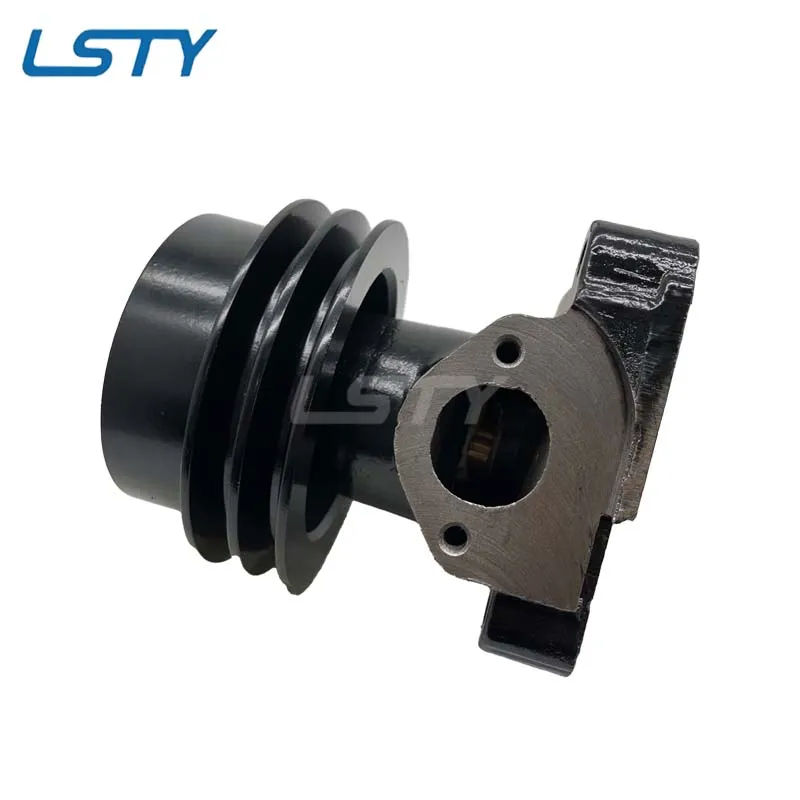
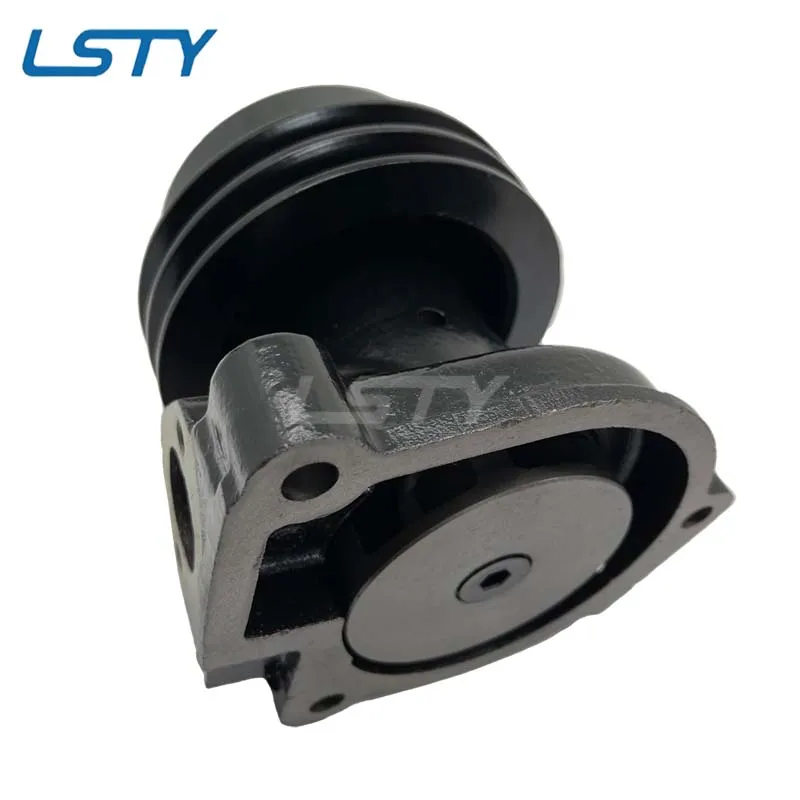
A car engine water pump is one of the most critical components in an automobile’s cooling system. Without an efficient engine cooling pump , engines would quickly overheat, leading to severe damage and expensive repairs. Acting as the “heart” of the cooling cycle, the pump circulates coolant throughout the engine block and radiator to regulate temperature and ensure smooth vehicle performance. For decades, engine water pump manufacturers have continuously innovated to enhance durability, energy efficiency, and compatibility with different vehicle types. From passenger cars to heavy-duty trucks, a reliable oil engine water pump or a properly functioning engine pump water system ensures the long-term stability of the vehicle. The Function of a Car Engine Water Pump A water pump for an engine is a vital part of the cooling system. It draws coolant from the radiator and circulates it through the engine, absorbing and dissipating heat. The process ensures that the engine maintains its optimal operating temperature. Key functions include: Circulating coolant through the radiator and engine block. Preventing engine overheating. Supporting heating and air conditioning systems by regulating fluid temperature. Enhancing the overall efficiency and longevity of the engine. Most car engine water pump designs are belt-driven, powered either by the crankshaft or camshaft. This synchronization ensures constant coolant flow as long as the engine is running. Importance of an Engine Cooling Pump The engine cooling pump serves as the foundation of a reliable vehicle cooling system. If the pump fails, coolant circulation stops, causing the temperature to rise dangerously. Overheating may warp cylinder heads, damage gaskets, and even cause total engine failure. Beyond engine safety, a functioning engine pump water system also supports passenger comfort. For instance, the heater core relies on proper coolant circulation to deliver warm air into the cabin, while the air conditioning system depends on temperature balance. Regular inspection and timely replacement of a faulty oil engine water pump prevent unexpected breakdowns and costly repairs. When exploring solutions from engine water pump manufacturers , it’s important to recognize the different types available: Mechanical Water Pumps The most common type, typically driven by the timing belt, serpentine belt, or crankshaft pulley. These pumps provide continuous circulation but may consume more engine power. Electric Water Pumps Gaining popularity in modern vehicles, these pumps operate independently of the engine speed. They are more energy-efficient and allow precise control over coolant flow. High-Performance Water Pumps Designed for racing cars or heavy-duty trucks, these pumps are reinforced for durability and increased flow rates. Auxiliary Pumps In hybrid or electric vehicles, auxiliary pumps may support specific cooling needs for battery packs or turbochargers. Knowing these categories allows drivers and repair shops to select the right car engine water pump for different vehicle requirements. Signs of a Failing Oil Engine Water Pump A malfunctioning oil engine water pump or engine cooling pump can have devastating consequences if ignored. Common warning signs include: Coolant leaks around the pump or under the vehicle. Grinding or whining noises from the pump bearings. Engine temperature gauge rising abnormally. Steam or overheating symptoms from the radiator. Visible corrosion or rust around the pump housing. Timely replacement of a defective engine pump water system is crucial to avoid engine breakdowns. Role of Engine Water Pump Manufacturers The global market for engine water pump manufacturers is highly competitive, with companies investing in advanced materials, automated machining, and strict quality controls. Leading suppliers focus on: Longer service life through corrosion-resistant materials. High-precision designs to reduce friction and noise. Compatibility across a wide range of vehicle models. Customized solutions for automotive OEMs (Original Equipment Manufacturers). By choosing reliable engine water pump manufacturers , auto companies and repair shops can ensure consistent quality, while end-users benefit from safer and more efficient vehicles. To maximize the life of a car engine water pump , follow these maintenance tips: Replace the pump along with the timing belt as recommended by the vehicle manufacturer. Use the correct coolant mixture to prevent corrosion and deposits. Inspect pump seals and bearings regularly. Ensure proper installation to avoid leaks or misalignment. Proactive maintenance of the engine cooling pump reduces the likelihood of sudden failures. FAQs About Engine Water Pumps How long does a car engine water pump last? Typically between 60,000–100,000 miles, depending on usage and manufacturer quality. What is the difference between a mechanical and electric engine cooling pump? Mechanical pumps are belt-driven and run continuously, while electric pumps provide variable, on-demand circulation with improved efficiency. Can a failing engine pump water cause overheating immediately? Yes. If circulation stops, the engine temperature can spike within minutes, leading to severe damage. How can I choose the right oil engine water pump for my vehicle? Consult your vehicle’s manual or work with trusted engine water pump manufacturers to ensure proper fit and performance. Do engine water pump manufacturers provide aftermarket solutions? Yes, many global manufacturers offer both OEM and aftermarket pumps, giving drivers affordable replacement options. The car engine water pump is not just a component—it is the lifeline of the cooling system. Whether mechanical or electric, a properly functioning engine cooling pump ensures consistent temperature regulation, fuel efficiency, and engine longevity. With innovation from trusted engine water pump manufacturers , today’s vehicles benefit from advanced designs that improve performance and reliability. Drivers and repair professionals must remain proactive in maintaining the oil engine water pump and other cooling components. Timely replacement and careful selection of quality parts can save thousands in repair costs while ensuring vehicles remain safe and efficient for years to come.
40 years of experience in manufacturing and 15 years of export experience

We can customize products according to the specific needs of customers.

High-quality products and strict test bench testing before package